Like, share, spread the word. Cheers!
Like, share, spread the word. Cheers!
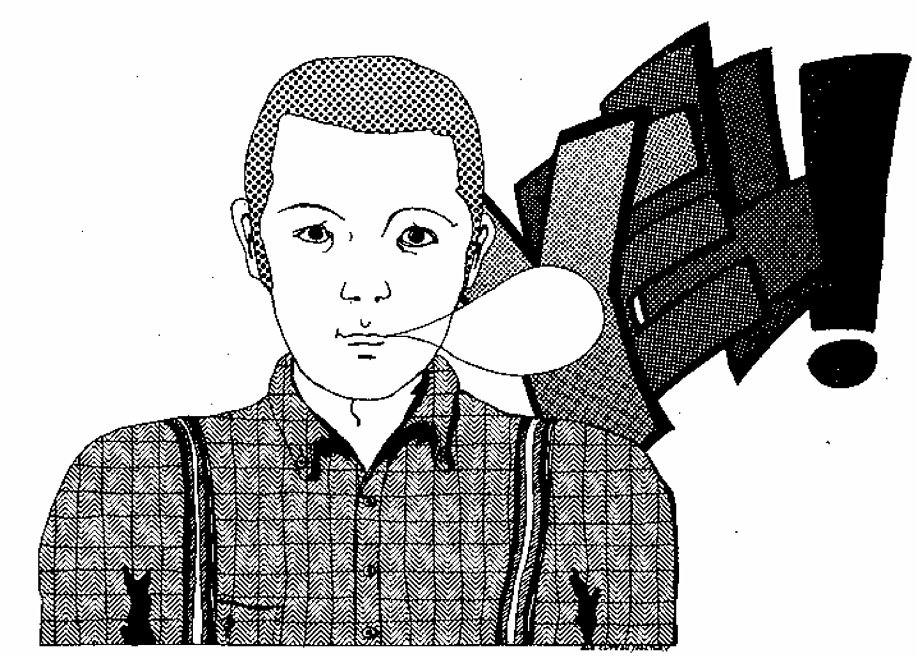
‘People call us “skinheads”, we don’t call ourselves anything. This is our page and we can do what we like with it’. Thus went Paul Thompson’s introduction in Yell, the weekly skinhead page he edited for the International Times between November 1969 and February 1970. The page was intended as a springboard for Thompson to launch his own skinhead magazine, but the project appears to have generated little interest. Contributors drifted away, Thompson’s motivation waned, and the venture folded after just seven instalments. We’re pleased to present the complete seven-issue run of Yell, [available here as a single PDF], alongside Matt Crombieboy’s interview with Paul Thompson below..
Followers of Creases Like Knives will have come across Paul’s name many times. For the uninitiated: originally a mod from Blackpool, he moved to South-East London with his parents in 1968 and landed squarely in a scene that was just beginning to harden into something that became known as ‘skinhead’. Like most of his peers, he began moving away from that look sometime in 1970, though he still enjoys playing soul records and dressing sharp today.
Continue reading
Erode: Demo ’95 & Tra la strada e la ferrovia LPs
(self-released)
Erode are one of those groups that truly deserve the label ‘cult band’ in Italy. Formed in the mid-1990s by a bunch of football ultras in the northern Italian city of Como, they combined a dark, abrasive take on Oi with Soviet-centric political leanings – Marxist-Leninist to kindred spirits, ‘red-brown’ to the squeamish.
Their fellow townsman Andrea Napoli of Avant Records, in his guest article ‘The Oi! Wave That Could Have Been’, captured the sound vividly: “The oppressive-sounding bass and cawing guitars had an ominous feeling that reflected both the bleakness of the streets of a small provincial town in those days and the kind of gloom one might just as well attribute to a goth or post-punk band”.
Continue reading
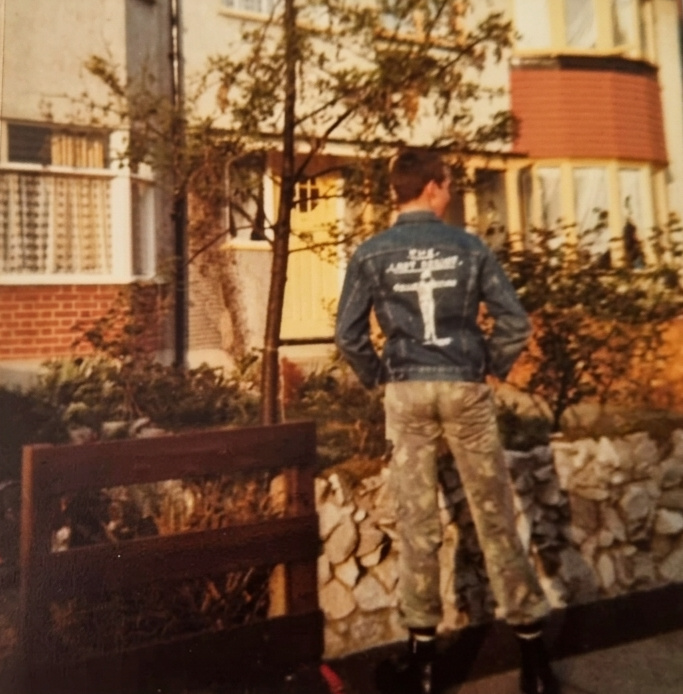
In the late ’70s and early 80’s, Barney St George was a young skinhead from the outer West London suburb of North Hillingdon. Travelling regularly into central London with friends, he became part of the scene around Carnaby Street. Here are some of his private photos and recollections of the skinhead scene, most of them taken in 1981. These pictures were never published before.
“I was more of a bootboy in 1977–78. I was also lucky as my mum worked in Brunel University in Uxbridge, West London and they had a thriving gig scene there. I had a ticket for the Sex Pistols but never went.
Continue reading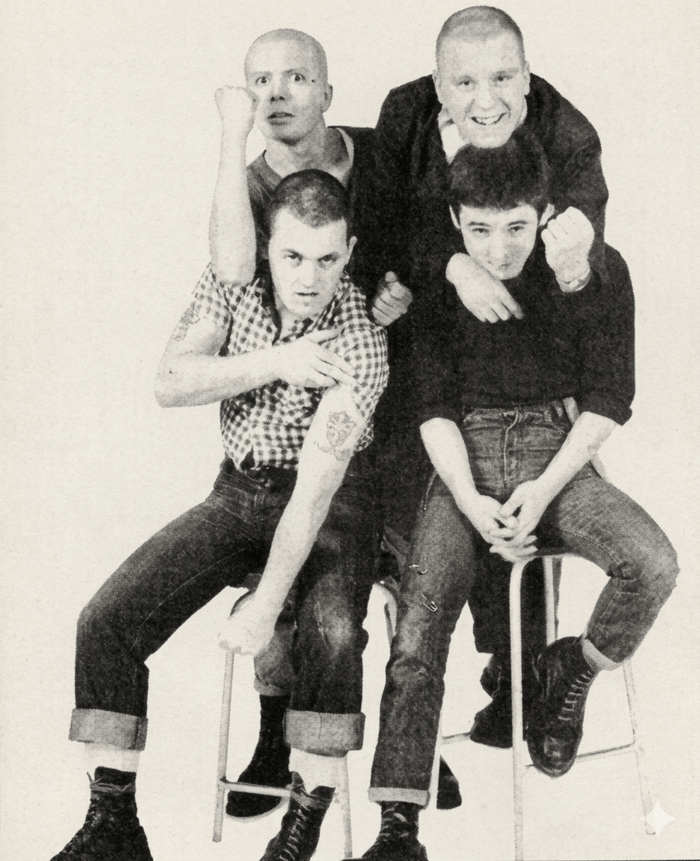
In a review from January 1981, Gary Bushell dismissed Criminal Class as ‘too slow’ after seeing them play in North London for the first time – but I would argue they were already pointing towards a darker, heavier strain of Oi that would later come to define the genre, as it moved from the loosely defined, almost ‘fictional’ category of Bushell’s early compilations into a more concrete style of skinhead music with its own distinct traits.
No song better captures Criminal Class than ‘Fighting the System’: a slow, menacing track. The lyrics read as a call to revolution. The central breakdown, laden with foreboding, represents the insurrection, after which the same steady march resumes beneath a rising dawn.
I spoke to Craig St Leon, vocalist in what was one of Britain’s earliest skinhead Oi bands. Most photos were sourced from the excellent Oi! The Archives page and used with the admins’ permission.
Matt Crombieboy
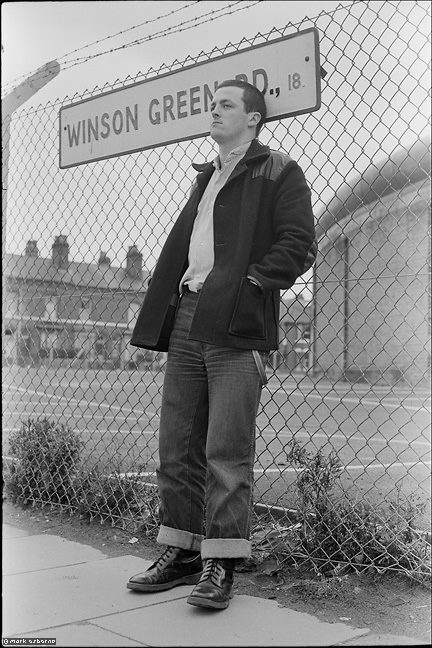
Hi Craig, can you tell me where and how you grew up?
Continue reading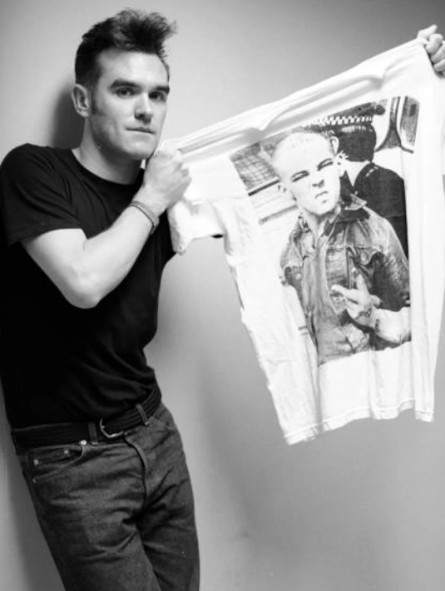
From early on in his solo career, Morrissey has held a strong fascination with skinheads, skinhead girls, suedeheads, and East London, defiantly championing a world on the brink of being bulldozed by neoliberal power. At Layers of London, Andrew Stevens has created a map of Morrissey’s East London locations, which you can explore HERE. This is his introduction.
Can anyone speak of an “East London demi-monde” for Morrissey? I thought as much a decade or so ago, penning this in the foreword for a new edition of Richard Allen’s Suedehead (Dean Street Press), as across much of his career the once avowedly Mancunian singer has returned consciously and decisively to East London – not as a heritage object but as a living myth. This distinction matters. Raised in Stretford, not Stratford, East London becomes in Morrissey’s imagination less a bounded geography than a portable identity: a code that can be adopted and inhabited. The bombsites and bath houses, spit-and-sawdust pubs and boxing clubs of Bethnal Green, Wapping, Dagenham and Plaistow form a counter-map to the depicted metropolitan glamour of Piccadilly and cabaret queens of the Royal Vauxhall Tavern. They are the stages on which he has repeatedly located a defiant, wounded, theatrical working-class masculinity – part elegy, part provocation.
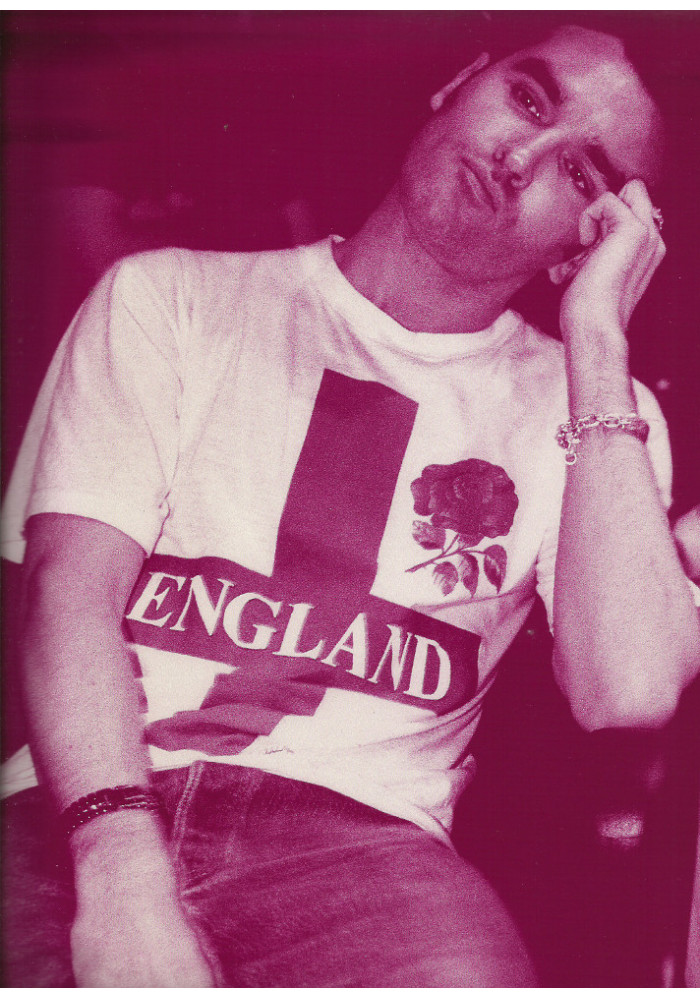
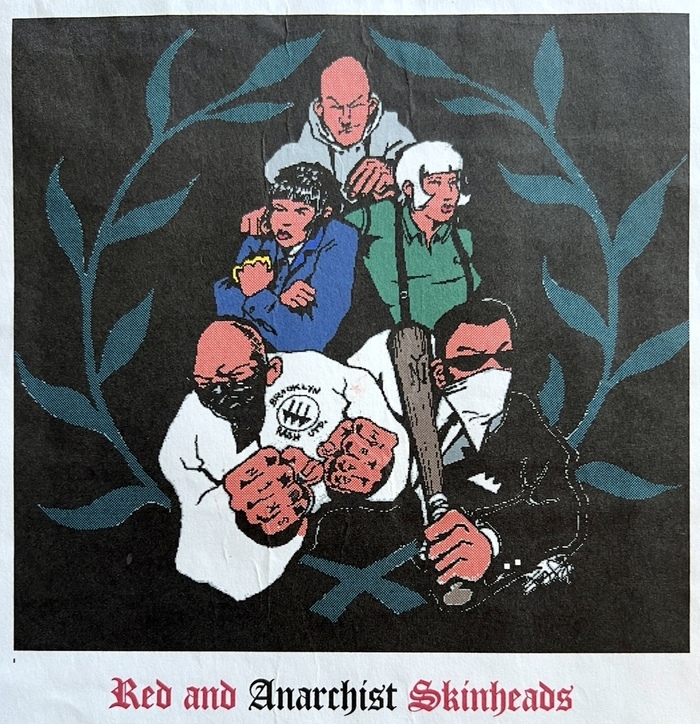
I was booking shows at ABC No Rio [an alternative community centre in Manhattan] in 1990 when I met Dan Sabater. At the time, he was a skinny anarcho-punk fresh out of high school and heavily involved with the political squatter scene on the Lower East Side. He was funny, charismatic, goofy and simultaneously deadly serious about his beliefs and told some scary tales of being chased in his Brooklyn neighborhood for looking ‘punk rock’; especially some encounters with the notorious Sunset Skins.
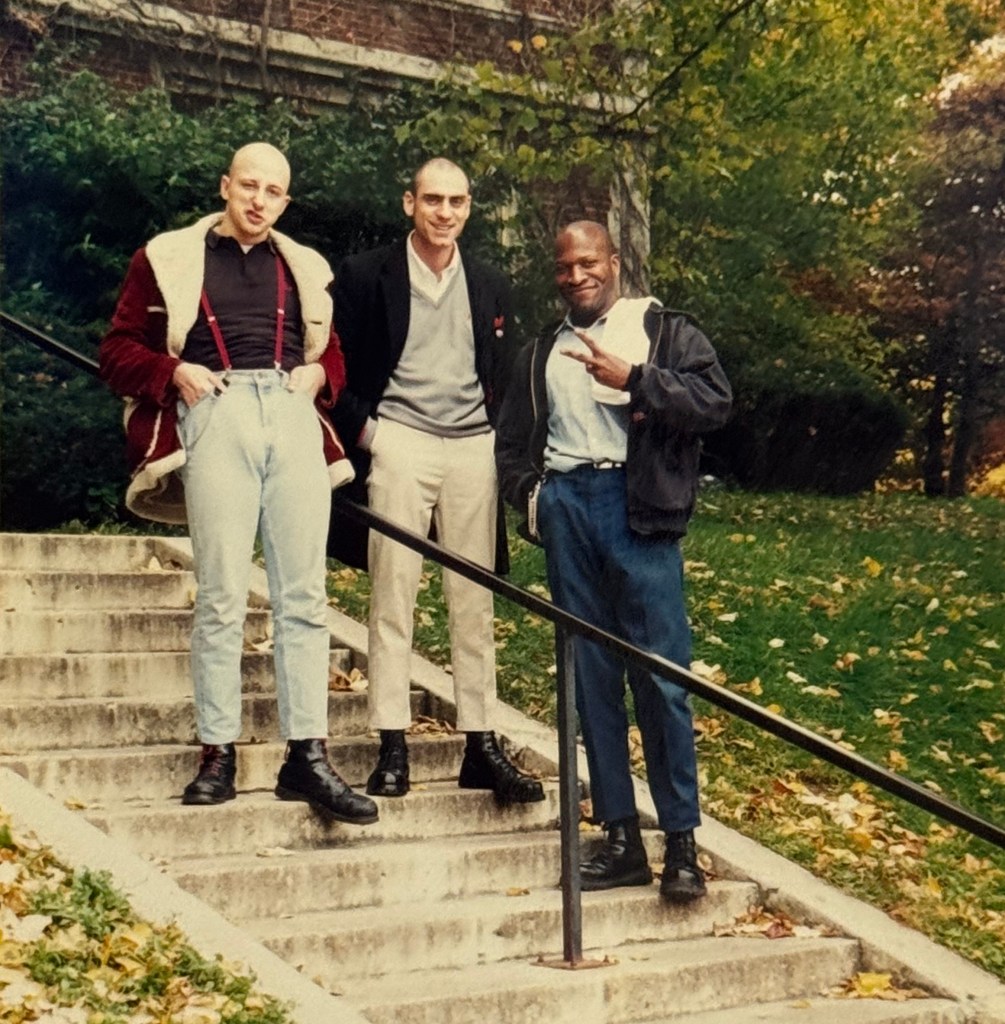
Imagine my surprise three years later when he pops up with a bald head, boots and braces, into boxing, soccer, reggae and all things related to being a traditional skinhead. I knew a lot of skins from growing up in the NYHC scene that came from different backgrounds but what made Dan stand out is him keeping his radical anarchist beliefs, combine them with socialist ideology inspired by European entities like the Redskins and start a group that synthesise these ideas, layering them onto a new skinhead identity.
Continue reading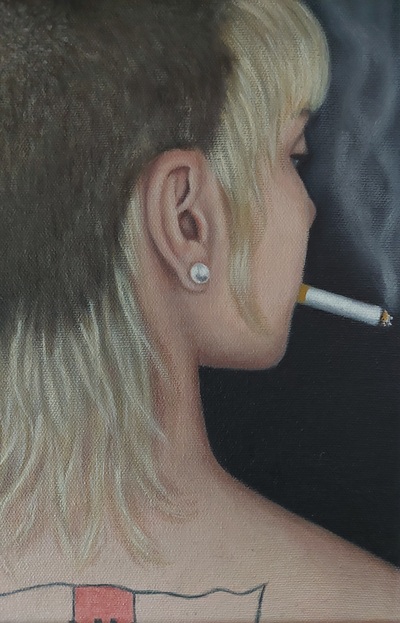
Skinhead has always been a highly visual culture, and photographs of skins from every period are plentiful – yet it has rarely been the subject of painting. Khana Evans, an English painter in her twenties, has begun to fill that gap with a growing body of portraits centred on subcultures, especially skinheads. Her figures, often female, are frequently shown from behind, or turned away from the viewer. What struck me immediately about Khana’s work, but also about her social media posts and her face in photographs, was a sense of sincerity. While it isn’t easily defined, it’s a quality you can sense at once. Her replies to my interview questions only reinforced this impression.
Continue reading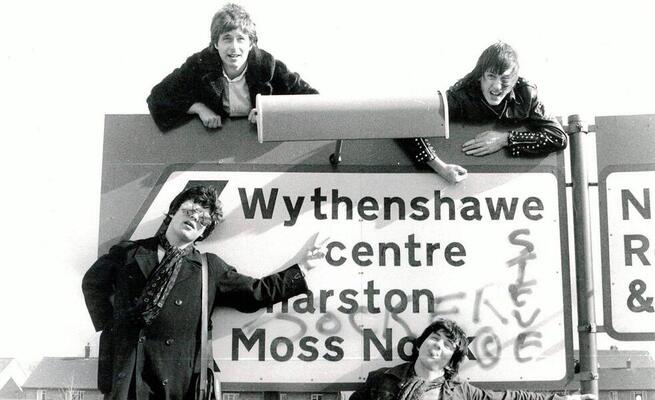
This interview feels special to me on several counts. First, I caught up with Wayne Barrett during what he says is his farewell tour under the Slaughter and the Dogs banner, closing exactly 50 years of this seminal punk outfit’s history. Second, Wayne chose to play the band’s final dates in my adopted homeland, Italy – a country he feels a special connection to (the band’s last album even bore an Italian title).
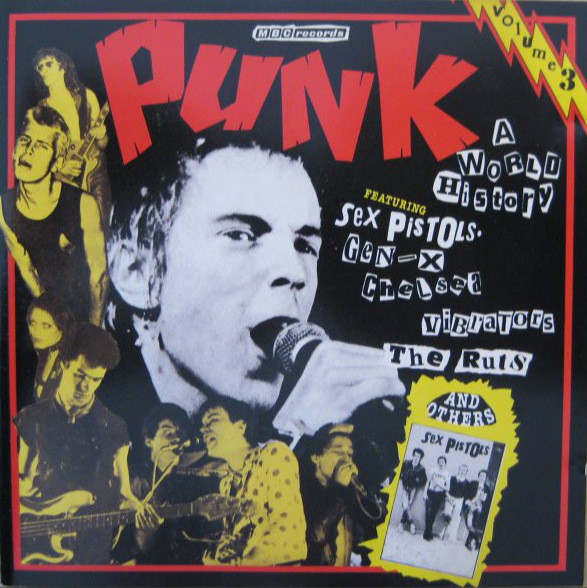
Third, it’s December, and with my birthday approaching, I’m reminded of the gift I received on my fifteenth: a record called Punk – A World History Vol. 3, which ranks high among the albums that shaped my taste in music. Part of a dodgy bootleg compilation series, it introduced me to a handful of ‘second-tier’ – but actually more enjoyable – figures of the original punk wave, such as The Boys, Chelsea, and of course Slaughter and the Dogs, who remain among my all-time favourites. Sitting somewhere at the intersection of bootboy, glam and punk, they were in some ways the perfect band.
Continue reading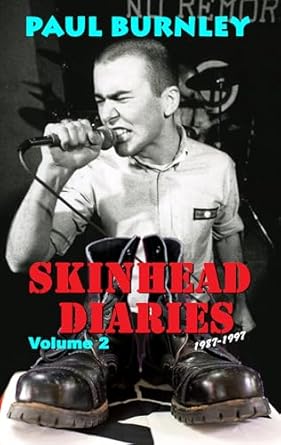
An interesting reader’s letter regarding our review of Paul Burnley’s Skinhead Diaries has reached us this week. It discusses the first volume of the book, which we reviewed HERE, but also the follow-up:
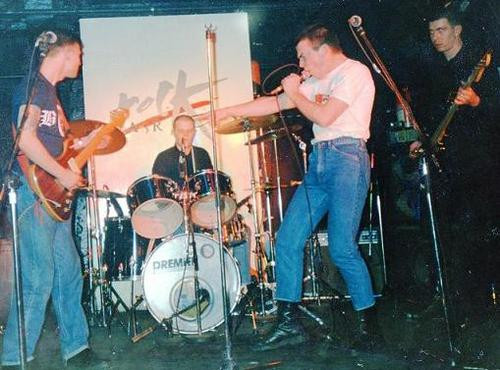
I read both volumes.
I agree with what Crombieboy wrote about the first one.
On one hand, there’s an obvious right-wing bias, selective memory, and what looks like revisionism and exaggeration – probably with the intention of normalising his particular take on skinheads. Basically: “Well, everyone was actually a nazi, and the ones who weren’t secretly wanted to be but didn’t have the guts.” This frames nazis as the ultimate skinheads, rather than just one specific subset within the broader scene.
Continue reading
Head’s Threads and Heavy Treads is a one-man operation from Florida, run by Samuel Leiro, that has been around for a few years. What began as a page largely trading vintage boots and the like eventually expanded to include its own designs – if I’m not mistaken, this shift happened shortly after we all emerged from the pandemic.
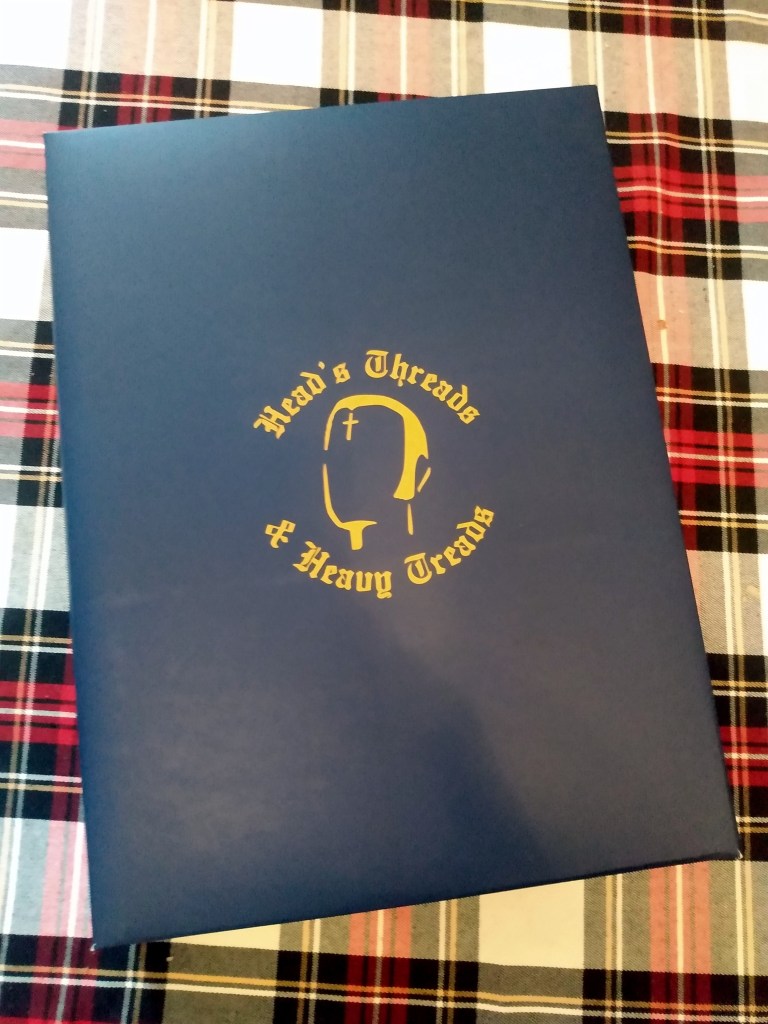
I followed the Facebook page for a while and grew sympathetic to Samuel’s personality, which he was never shy about bringing into his posts. In his teenage years he ran afoul of the law, and jail was one of the stops along the way. After turning his life around, he became an Orthodox Christian – while remaining a skinhead – got married, and started Head’s Threads.
Continue reading
